**** LATEST NEWS! ****

ZERO MERCURY WORKING GROUP PRELIMINARY VIEWS ON INC 4 DRAFT TREATY TEXT

 MAY 2012


Introduction

This document summarizes recommendations on which options and alternatives should form the basis for further work by the INC, and identifies key draft provisions, which warrant support, modification, addition, or deletion as the negotiations proceed.  ZMWG recommends the following:

Preamble

Adding:

Preamble text reaffirming the polluter pays principle.

Article 1, Objectives

Removing:


Article 1 bis, Paragraph 1, which states that the mercury treaty would not affect rights and obligations under other treaties. Adoption of this language may needlessly encourage WTO challenges, thus similar language was rejected for the Stockholm Convention.  Paragraph 2 of Article 1 bis would be retained, mirroring the Stockholm Convention text that the Mercury Convention and other trade and environment treaties are “mutually supportive”.

Article 3, Supply

Retaining


Option 1, which prohibits primary mercury mining for export purposes within 0-5 years (depending upon the alternatives chosen), and phases out all primary mercury mining within 3-5 years.  We recommend a 3-year maximum phase-out of primary mercury mining. 

Removing:


Option 2, which would leave the phase-out of primary mercury mining to the discretion of a party based upon what the party determined to be economically feasible, and require compensation for not mining.

Article 4, International Trade with Parties

Retaining:


Paragraph 2 bis containing the domestic approval authorities needed to implement the trade provisions of the treaty, and

paragraph 3(b) requiring that the trade of mercury for use as dental amalgam be in the encapsulated form.

Removing:

Alternative 2 of paragraph 2(b) because it weakens the requirement that governments consent to the import of mercury.

Removing:

Paragraph 4(d) because it defers inappropriately to the Basel Convention. 

Article 5, International Trade with Non-Parties

Adding:


Non-party trade provisions are currently weak because exports to non-parties are not limited to uses allowed under the convention.  The text should prohibit exports to non-parties outright, but at a minimum, any exports to non-parties should be limited to allowable uses and subject to the equivalent level of control as trade with parties.

Article 6 Products

Retaining:


Option 2, which uses a negative list approach, stating that manufacture of mercury-added products is generally prohibited, unless an allowable use exemption has been obtained.  At a minimum, the negative list approach should apply to new products, to discourage new uses and avoid the burdens of identifying and listing each new product that may come to market.  However, we recommend deletion of Paragraph 5 that would make phase-out non-mandatory.

Retaining:

Paragraph 4 of option 1, which prohibits the trade of equipment used to make phased out products.

Retaining:

Requirement for a Party trading with non-Parties to obtain an allowable use exemption.

Retaining:


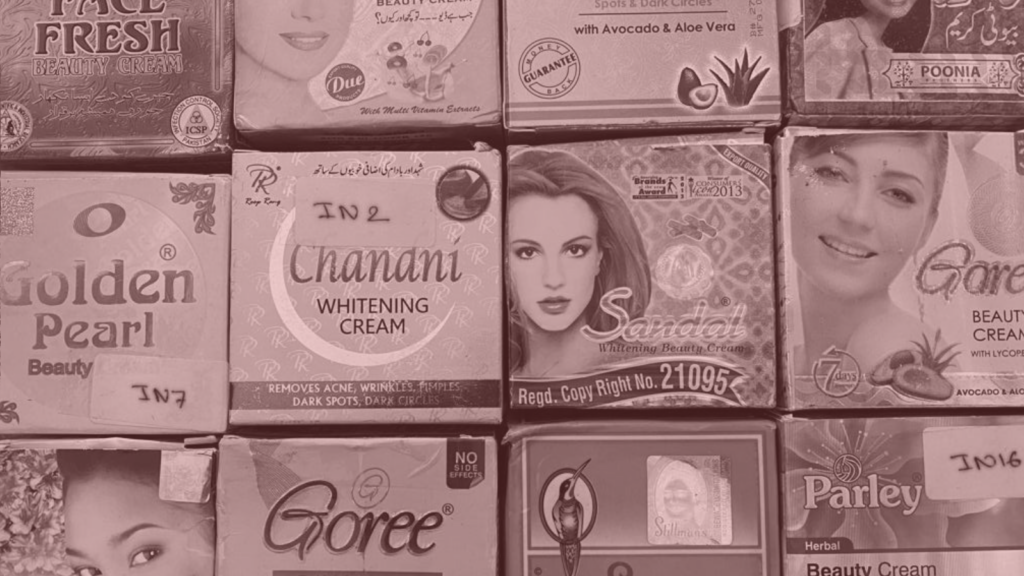
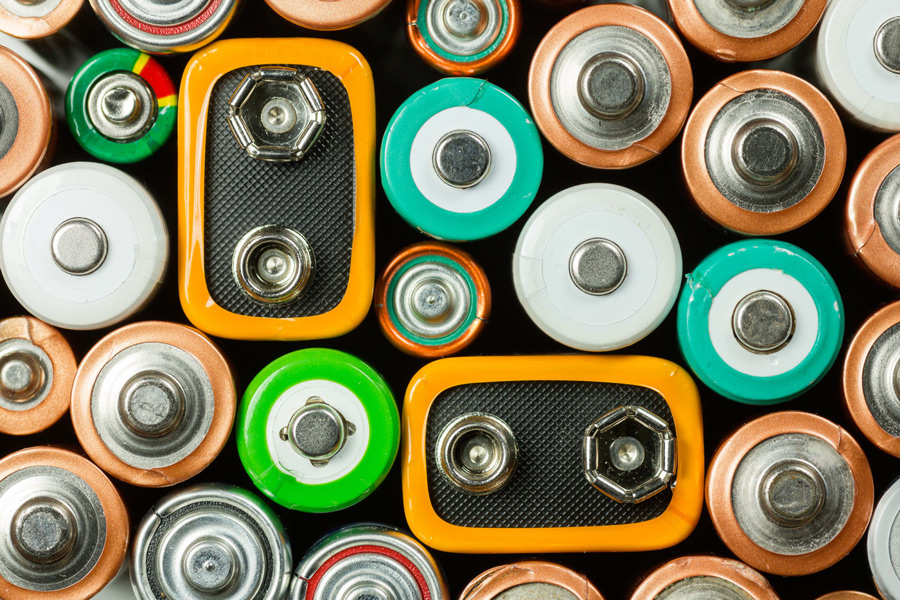
The phase-out of batteries, measuring devices, switches and relays, soaps and cosmetics, paints, pesticides, and topical antiseptics in the short-term, and mercury content limits for important lamp categories. 

Retaining:

A phase-out date for dental amalgam, coupled with phase down measures to enable continuing progress in advance of the phase-out date.

Removing:

Option 4, as agreed in the Contact Group at INC 3, because a voluntary approach to phasing out mercury products will not produce meaningful results.

Article 7, Processes

Retaining:

Option 2, the negative list approach, i.e., a general ban of mercury in all processes except the processes receiving an allowable use exemption under Article 8.  The negative list approach is particularly well suited for processes, since processes are less complex than products and all should be phased out as soon as possible.

Retaining:

Building off the work of the contact group at INC 3, retain the phase-out of mercury use in chlor-alkali, sodium methylate, VCM, and other catalyst processes (i.e., polyurethane production) in the short-term, with an exemption process as needed for challenging situations.

Retaining:

Paragraph 6, which prohibits export of equipment used in mercury-added production processes.

Removing:

Option 3 because there is no need for an “essential use” category, since the exemption process can handle special cases.

Article 8, Exemptions

Retaining

The elements of Option 1 that require:

·         COP review and approval required before an exemption is granted (par. 1, alternative 2),

·         limit the exemptions to a reasonable time period (par. 4, alt. 2),

·         require meaningful demonstrations an exemption is appropriate (bracketed text in pars. 5 and 7), and

·        give authority to end the availability of exemptions when non-mercury alternatives are globally available (par. 9, alternative 2).

Removing:

Option 2 because it creates an open-ended exemption process, resulting in exemptions too easily obtained for too long a period of time

Adding:

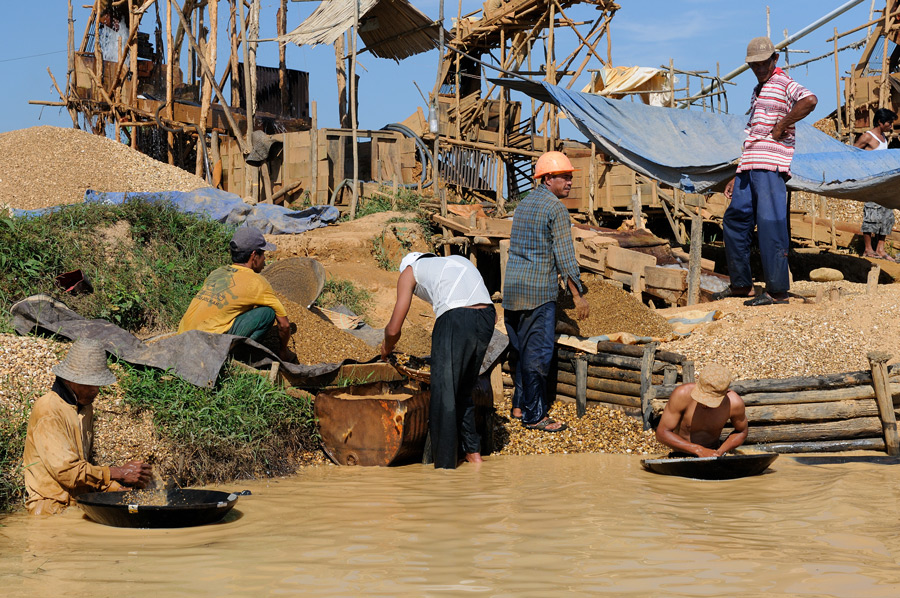
Provisions authorizing a time and quantity limited exemption from the import ban for ASGM, consistent with the terms of a party’s national action plan.

Article 9,Artisanal Small Scale Gold Mining (ASGM)

Adding or Retaining:

Building off the draft text prepared by the contact group at INC 3, add or retain text which:

·         improves the drafting and clarifies the obligations under the Article;

·         provides the opportunity for an exemption from the import ban under Article 8; and

·         includes strategies for preventing mercury exposures of vulnerable populations and addressing releases from wastes in the national action plan requirements.

Removing:

The “not insignificant” threshold approach as unworkable and unnecessary.

Articles 10 and 11 Emissions

Retaining:

Text which subjects new and existing facilities to the mandatory BAT compliance obligation as soon as possible.

Retaining:

Air source categories in Annex F, except for ASGM.

Removing:

Any text which weakens the BAT mandate for new and existing facilities.

Removing:

ASGM from source categories in the Annexes, since ASGM warrants a separate control regime under Article 9.

Combining Articles 10 and 11:

ZMWG favors an approach which targets significant pollution sources to all media, and the preparation of BAT guidelines which address all relevant media for the targeted source categories. 

Article 12, Storage

Retaining

Building off the work of the contact group at INC 3, retain the bracketed language which:

·         Covers mercury compounds, particularly those subject to the trade restrictions in Articles 3-5 since those compounds will need to be stored or converted to elemental mercury and then stored; and

·         Requires the development and periodic review of “core” storage requirements to be incorporated as an annex to the Convention.

Article 13, Wastes

Clarity Needed:

On the scope of Article 13, particularly how wastes from emission sources covered under Articles 10 and 11 will be handled under the treaty.

Retaining:

The definition of mercury waste proposed by the contact group at INC 3.

Retaining:

Consistency with the Basel Convention regarding trade with non-parties.

Adding

The development and periodic review of “core” waste management requirements to be incorporated as an annex to the Convention.

Adding:

Waste minimization requirements as contemplated in footnote 10 to the draft treaty text, taking into account the product and process phase-outs established under Articles 6 and 7.

Article 14, Contaminated Sites

Retaining and Strengthening:


Building off the draft text from the contact group at INC 3, retain bracketed text and add provisions which:

·         Include a mandatory inventory and site characterization requirement, so that parties obtain the necessary baseline information needed to prioritize sites and identify emergency situations;

·         Encourages polluters to pay the remediation costs and appropriate compensation to victims, in particular language seeking the development of guidance on allocating financial responsibility for addressing contaminated sites;

·         Specifies that guideline development cover the safe management of wastes generated from site remediation, and require the safe management of remediation wastes in accordance with Article 13; and

·         Ensures local populations are informed about the site characterizations and the risks they face.  

Article 15, Financial Assistance (see also Article 21 regarding interim funding arrangements)

Retaining


Text which is consistent with the following architecture:

·         The financial mechanism shall include a Dedicated Fund to ensure adequate resources are available to facilitate compliance and discourage non-compliance; 

·         The mechanism shall operate under the authority and guidance of the Conference of the Parties, who will ensure resources are allocated consistent with COP priorities;

·         The financial support mechanism shall be designated and operated to facilitate compliance and discourage non-compliance with the obligations of this Convention;

·         The governance structure for the Dedicated Fund shall provide for representation of developing nations, and operational transparency; 

·         Each Party shall include in its reports submitted pursuant to Article 22 (Reporting) information demonstrating how it has implemented the provisions of this article; and

·         The principle of polluter pays is reflected in how the mechanism is used.

Removing: 

Text which makes compliance “contingent” upon financial assistance, particularly where the private sector can and should bear this responsibility.  This kind of language appears in many forms and places in the proposed text.

Article 18, Information Exchange


Building off the draft text prepared by the contact group at INC 3,

Retaining:


 “NGO” text in brackets of Paragraph 2bis considering the important contributions NGOs have and will make to treaty development and implementation.

Removing


The bracketed text in Paragraph 4 allowing health and safety information to be kept confidential under national law.

Article 19, Public Information, awareness and education

Retaining: 

Building off the text prepared by the contact group at INC 3, retain the bracketed text in Paragraph 1(a)(vi) requiring parties to facilitate the flow of information regarding their activities to meet Convention obligations. 

Article 20, Research Development and Monitoring

Retaining: 

Inclusion of the bracketed text to facilitate the gathering of data under the Convention.

Adding:

Research on safe storage and waste management options and technologies.

Article 20bis: Health Aspects

Retaining:

The essential elements of CRP 19 at INC 3 on health promotion.

Article 21: Implementation Plans

Adding:


Treaty text imposing a mandatory obligation for parties to prepare a NIP prior to ratification or shortly thereafter, where the NIP provides a roadmap as to how parties intend to comply with the Convention.  Financial support for NIP development (and associated inventory and gap analysis work) would be made available under a robust interim funding arrangement, independent of treaty funding.  Plans required by treaty control measures, such as the ASGM national action plan, are separate and more detailed documents, typically prepared after the NIP is completed or well underway.

Article 22, Reporting

Retaining:

Option 1

Removing:


Option 2 since it would confuse/prolong/delay the reporting process and its follow up implementation by potentially providing any Party with self-declared compliance “waivers”.

Article 23, Effectiveness Evaluation

Retaining: 

Bracketed text in paragraph 2 as part of the treaty effectiveness evaluation

Article 33, Reservations

Removing: 


Ability of parties to make reservations to this Convention.  All parties must be bound by all terms of the Convention for it to work effectively and achieve the desired results.  We note the Stockholm Convention does not provide for reservations.


Home
globe

The Zero Mercury Working Group (ZMWG) is an international coalition of 94 public interest environmental and health non-governmental organizations from 52 countries from around the world formed in 2005 by the European Environmental Bureau and the Mercury Policy Project.  ZMWG strives for zero supply, demand, and emissions of mercury from all anthropogenic sources, with the goal of reducing mercury in the global environment to a minimum.  Our mission is to advocate and support the adoption and implementation of a legally binding instrument which contains mandatory obligations to eliminate where feasible, and otherwise minimize, the global supply and trade of mercury, the global demand for mercury, anthropogenic releases of mercury to the environment, and human and wildlife exposure to mercury.(FR)

The Zero Mercury Working Group was born out of the Zero Mercury Campaign project having as its ultimate objective ‘Zero’ emissions, demand and supply of mercury, from all sources we can control, in view of reducing to a minimum, mercury in the environment at EU level and globally. The project/campaign started in November 2004, by the European Environmental Bureau (EEB) in collaboration with the Mercury Policy Project . Details on the history of the project can be found here.

Mercury and its compounds are highly toxic to humans, especially to the developing nervous system. They are also harmful to ecosystems and wildlife populations. Microbial metabolism of deposited mercury can create methylmercury, which has the capacity to collect in organisms (bioaccumulate) and to concentrate up food chains (biomagnify), especially in the aquatic food chain. Methylmercury is a well documented neurotoxicant, which may in particular cause adverse effects on the developing brain. It readily passes both the placental barrier and the blood-brain barrier, therefore, exposures during pregnancy are of highest concern. It may also cause adverse effects on the cardiovascular system, thereby leading to increased mortality. Methylmercury compounds are considered possible carcinogenic to humans according to the International Agency for Research on Cancer. Furthermore, inhalation of elemental mercury vapour includes symptoms such as tremors, insomnia, memory loss, neuromuscular changes, and headaches. Kidney and thyroid may be affected.
 

Upcoming Events